


AU Patient Summary Implementation Guide
0.1.0-preview - Preview

AU Patient Summary Implementation Guide
0.1.0-preview - Preview
This page is part of the AU Patient Summary (v0.1.0-preview: QA Preview) based on FHIR (HL7® FHIR® Standard) R4. No current official version has been published yet. For a full list of available versions, see the Directory of published versions
| Page standards status: Informative |
AU PS profiles will by design:
Profile compliance with AU Core and IPS is agreed to as:
When managing profile complexity and requirements in the national and international context for AU Patient Summary, the following mechanisms are available:
These mechanisms offer differing capabilities and advantages. Typically HL7 AU profiles have used derivation to manage compliance within HL7 AU inheritence. However, AU Patient Summary will comply to both HL7 AU (AU Core) and IPS and therefore additional mechanism(s) are required.
For a human, the main differences with use of imposeProfile are:
While only AU Patient Summary Composition currently uses imposeProfile, to support future maintenance it is under consideration that all AU Patient Summary profiles derive from AU Core, where available, and use imposeProfile to apply IPS rules. That would mean that a number of IPS-imposed requirements including cardinality, terminology, and flagging of Must Support would not be directly visible in the formal views within this guide.
Users of this implementation guide are encouraged to provide their feedback about the potential use of imposePrile.
AU PS Composition currently:
Note: Rules from IPS are applied via use of imposeProfile
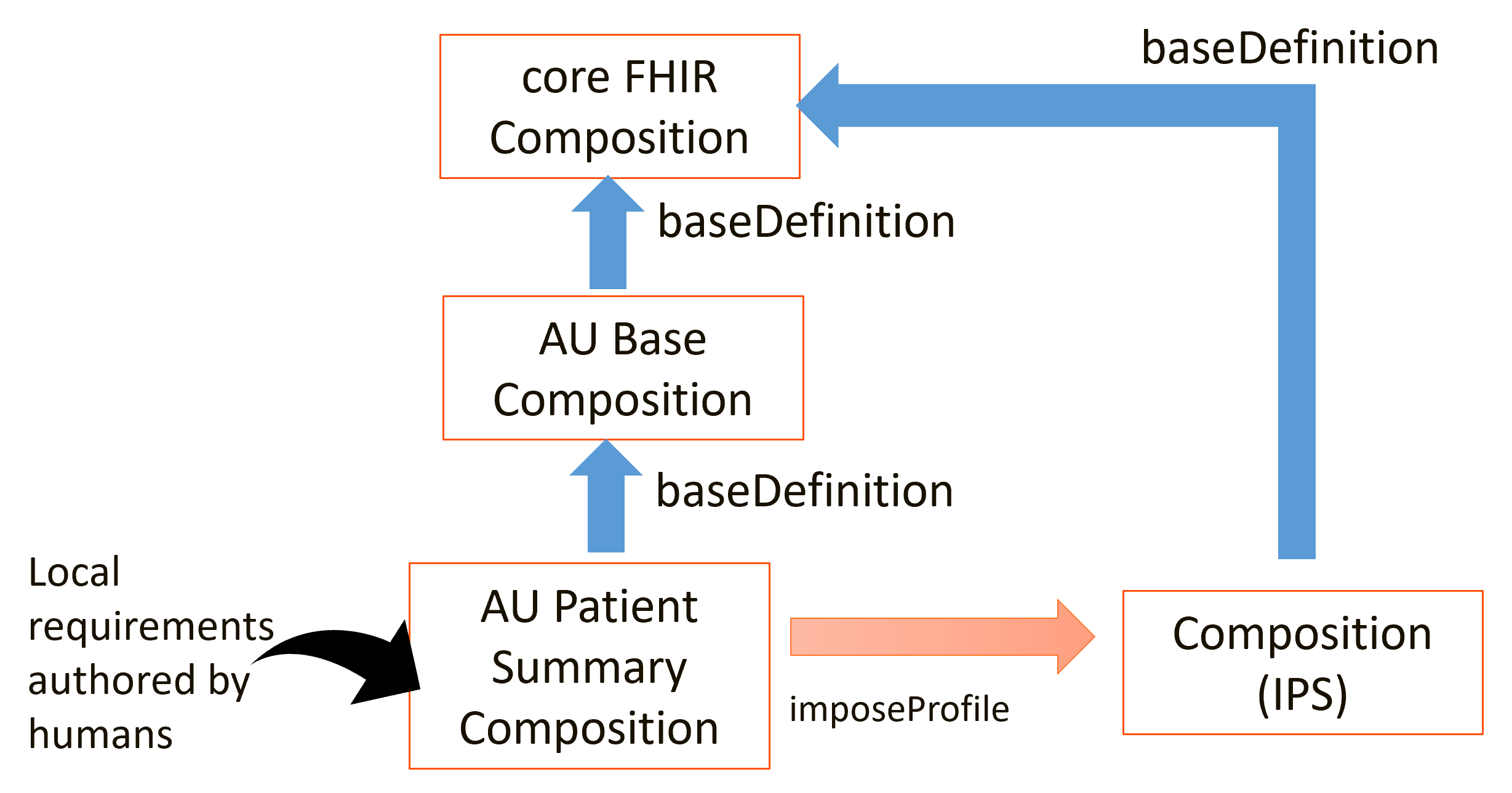
Figure 1: AU Patient Summary Composition current profiling approach
All other profiles (e.g. AU PS Patient, AU PS MedicationStatement) currently:
Note: Rules from AU Core and IPS are applied via human authoring. This has been undertaken in support of human-centric design discussions early in the AU Patient Summary project.
TBD
IG © 2024+ HL7 Australia. Package hl7.fhir.au.ps#0.1.0-preview based on FHIR 4.0.1. Generated 2025-03-10
Links: Table of Contents |
QA Report
| Version History |
 |
Propose a change
|
Propose a change